

Fringe benefits tax is one of the easiest taxes for a business owner to get wrong, because it is separate from income tax, self-assessed, and runs on its own calendar that ends on 31 March. If you provide a work car, throw a staff party, or cover an employee’s expenses, you may have an FBT obligation without realising it. Here is what fringe benefits tax is, how it is calculated, the exemptions worth knowing, and a year-end checklist to work through before the 31 March year-end.
What is fringe benefits tax?
Fringe benefits tax is a tax on certain benefits an employer provides to employees, or their families, in a form other than salary or wages. The important point that catches people out is that the employer pays it, not the employee, and it is calculated separately from income tax. If you give a staff member the private use of a company car, pay a personal expense on their behalf, or provide a cheap loan, you have likely provided a fringe benefit. The ATO’s guide to how fringe benefits tax works sets out the framework, and it is worth understanding before year end rather than after.
Who pays FBT, and when: the FBT year explained
You do, as the employer. FBT is self-assessed, which means the onus is on you to identify benefits, calculate the tax and lodge a return. The FBT year runs from 1 April to 31 March, which is not the same as the income year and is the single most common source of confusion. Once the year closes on 31 March, lodging and paying your FBT return is generally due by 21 May, though if you lodge through a registered tax agent electronically you usually have until 25 June, provided you are on the agent’s client list in time.
Common types of fringe benefits
Fringe benefits come in several categories, and most small businesses touch at least one. The big one is the car fringe benefit, where a work vehicle is available for an employee’s private use. Others include entertainment, such as meals, functions and event tickets; car parking in some circumstances; expense payment benefits, where you pay or reimburse an employee’s private costs; loan benefits, where you lend at below-market interest; and housing or living-away-from-home benefits. If you provide any of these, they are worth reviewing before 31 March.
How FBT is calculated: the gross-up and the 47% rate
FBT is charged at 47%, and it is applied not to the raw value of the benefit but to a grossed-up value. The gross-up reflects the pre-tax salary an employee would have needed to buy the benefit themselves. There are two FBT gross-up rates: the higher type 1 rate of 2.0802, used where your business can claim GST credits on the benefit, and the lower type 2 rate of 1.8868, used where it cannot.
A quick example shows how it stacks up. Say you provide a benefit with a taxable value of $2,000 on which your business can claim GST credits. You gross it up by the type 1 rate of 2.0802 to $4,160, then apply the 47% rate, giving FBT of roughly $1,955. That is why benefits that feel small can carry a surprising tax cost, and why planning them deliberately matters.
What are reportable fringe benefits?
If the taxable value of the benefits you provide to an individual employee exceeds $2,000 in the FBT year, you must report the grossed-up amount on their income statement. This is the reportable fringe benefits amount, and it is grossed up using the lower type 2 rate of 1.8868, so a benefit worth just over $2,000 appears as roughly $3,774 on the employee’s statement. Not every benefit counts toward this figure, though. Some are specifically excluded from the reportable calculation, most notably meal entertainment and car parking fringe benefits, so an employee’s reportable amount is often lower than the headline total of what you provided.
Here is the part most explanations skip. That reportable amount is not included in the employee’s taxable income and is not taxed. But it is counted in a long list of income tests, so it can still cost your employee money. It can affect their Medicare levy surcharge, their private health insurance rebate, their compulsory HELP or study loan repayments, their Family Tax Benefit and Child Care Subsidy, and even child support obligations. An employee who queries why their study-loan repayment jumped after receiving a novated-lease car is asking a reasonable question, and it is worth being able to answer it.
FBT exemptions every employer should know
Not every benefit attracts FBT, and knowing the exemptions is where a good adviser saves you money.
Minor benefits under $300
A benefit with a value of less than $300 can be exempt as a minor benefit, provided it is also infrequent and irregular. This is the rule behind the staff Christmas party and the occasional gift. The trap is the word infrequent: give the same employee regular benefits just under $300 and the exemption stops applying, because it is no longer minor in the way the rule intends.
Work-related items
Certain work tools are generally exempt, including a portable electronic device such as a phone or laptop used primarily for work, protective clothing, and tools of trade. These are everyday exemptions that many small businesses can use without a second thought.
The electric car exemption, and the PHEV change
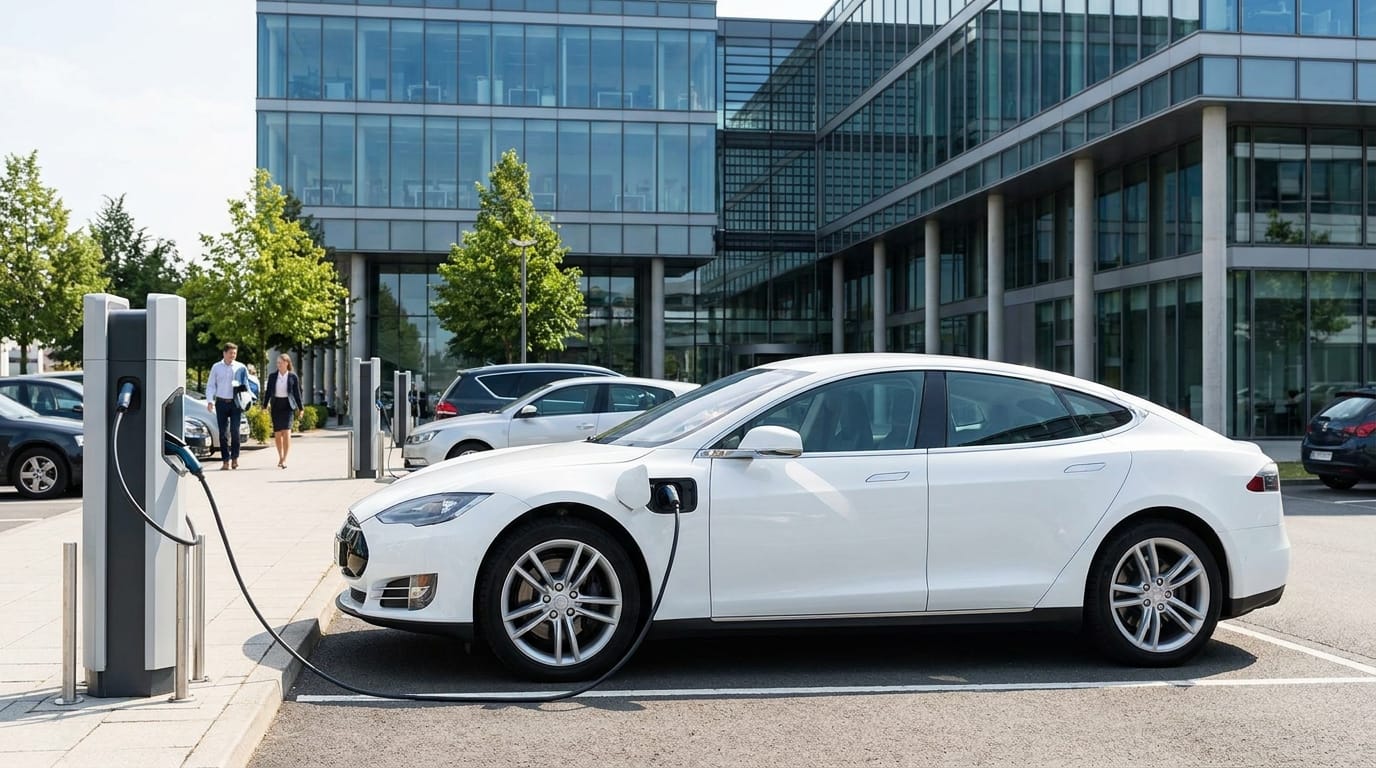
Eligible electric cars can be exempt from FBT, which has made novated leases on EVs popular. To qualify, the car must be a zero or low-emissions vehicle first held and used on or after 1 July 2022, and its value must never have exceeded the luxury car tax threshold for fuel-efficient vehicles, including at the point it was first sold. That last part catches people out with used EVs: a second-hand car bought under the threshold can still be ineligible if it was priced above the threshold when it was originally sold new. The ATO sets out the full electric cars exemption conditions.
The change that catches employers out concerns plug-in hybrids. From 1 April 2025, a plug-in hybrid is no longer treated as a zero or low-emissions vehicle for this exemption, unless private use was established under a financially binding commitment in place before that date. If you put a plug-in hybrid on a novated lease assuming it is FBT-free, check the date and the arrangement carefully. And note that even an exempt electric car still counts toward the employee’s reportable fringe benefits amount.
Looking further ahead, the 2026-27 Federal Budget announced that the full FBT exemption for electric cars will be wound back. From 1 April 2027 the full exemption is proposed to apply only to eligible EVs valued at $75,000 or less, with EVs above that but under the fuel-efficient luxury car tax threshold moving to a 25% FBT discount, and a permanent 25% discount is proposed from 1 April 2029. Arrangements already in place before each change date are expected to be grandfathered. These measures are announcements and remain subject to legislation, so the current full exemption still applies for the FBT year ending 31 March 2027, but they are worth factoring into any longer novated-lease decision now.
Your FBT year-end checklist
The weeks around 31 March are when good records pay off. Before the FBT year closes, it is worth working through a short checklist: take odometer readings on every work vehicle at 31 March; collect the employee declarations you need to reduce the taxable value of benefits; review your staff functions, gifts and entertainment against the minor-benefits test; confirm which of your vehicles genuinely qualify for the electric car exemption and whether any plug-in hybrids are still eligible; check whether anyone has crossed the $2,000 reportable threshold; and decide whether you need to register and lodge at all. Keeping this tidy through the year, ideally through solid bookkeeping and proactive business tax planning, turns year end into a formality rather than a scramble.
Common FBT mistakes to avoid
The recurring errors are predictable. Assuming a work ute or car has no private use when it plainly does. Treating a plug-in hybrid as exempt after the rules changed. Providing frequent benefits just under $300 and leaning on the minor-benefits exemption when it no longer applies. Forgetting the reportable fringe benefits amount and surprising employees at tax time. And overlooking FBT entirely because the business is small, when the obligation depends on the benefits provided, not the size of the business. A quick review with your accountant well before 31 March heads off all of them.
Frequently Asked Questions
What is the FBT rate?
FBT is charged at 47%, applied to the grossed-up taxable value of the benefits you provide. The gross-up uses one of two rates: 2.0802 where your business can claim GST credits on the benefit, and 1.8868 where it cannot.
Do I pay FBT on a work ute or dual cab?
It depends on how it is used. Some commercial vehicles qualify for an exemption where private use is limited to work travel and minor, infrequent private use, but that exemption is narrower than many employers assume, and personal trips beyond the limits can bring the vehicle into FBT. It is worth confirming your particular vehicle and usage rather than assuming.
Is an electric car really FBT-free?
An eligible electric car can be exempt, if it was first held and used on or after 1 July 2022 and priced below the fuel-efficient luxury car tax threshold. Plug-in hybrids lost eligibility from 1 April 2025 unless grandfathered by an earlier binding commitment. Even an exempt car still counts toward the employee’s reportable fringe benefits amount.
Does my staff Christmas party attract FBT?
It can, and it depends on the cost per head and how often you do it. A one-off function costing under $300 a head will often fall within the minor-benefits exemption, but regular functions or higher per-head costs can attract FBT. There is an important exception: if you account for meal entertainment using the 50/50 split method, the minor-benefits exemption cannot be applied to those costs, so the function is taxed under that method regardless of the per-head figure. The entertainment rules are fiddly, so it is worth a quick check before you book.
Will fringe benefits show up on my employees’ payslips?
Where the benefits you provide to an employee exceed $2,000 in taxable value for the year, the grossed-up amount is reported on their income statement. It is not taxed, but it is used in various income tests, so it can affect things like their Medicare levy surcharge and study-loan repayments.
General information disclaimer
This article contains general information only and should not be relied upon as taxation, accounting, legal, employment or financial advice. It does not take into account your objectives, circumstances or business needs. Tax legislation, ATO rulings, exemptions, thresholds and concession rules change over time, and the rates, thresholds and exemptions described reflect the FBT year ending 31 March 2026. Before acting on any information in this article, obtain advice from a registered tax agent or other appropriately qualified adviser.
Not sure where your business stands on FBT before 31 March? Talk to Crest Accountants about reviewing your benefits, getting the exemptions right and lodging on time. Call 07 5538 0999 or send an enquiry through our contact form.