
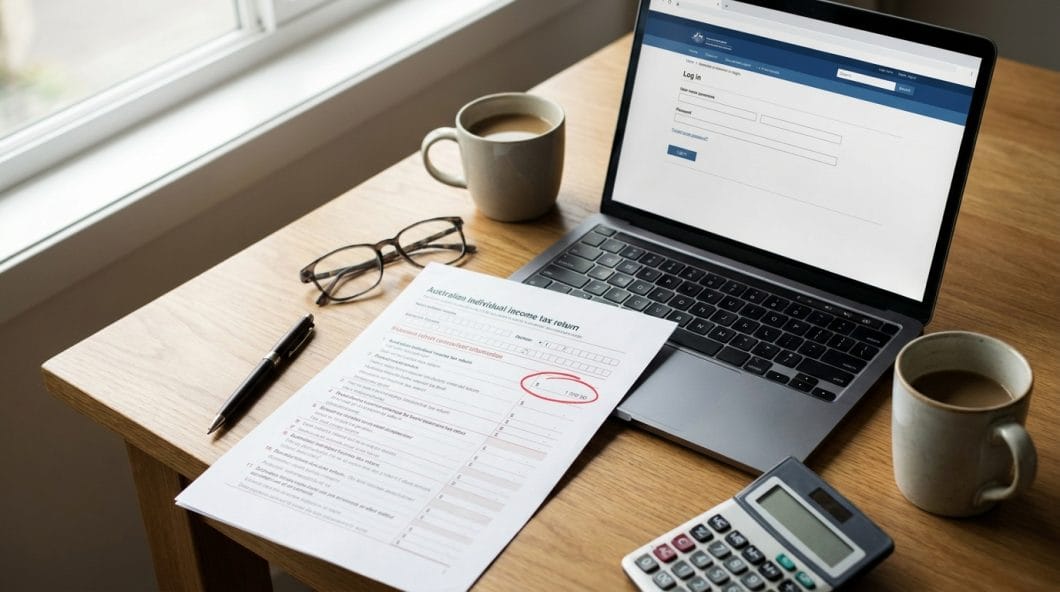
An ATO audit rarely starts with a knock on the door. It starts with a mismatch: a number on your return that doesn’t line up with the data the ATO already holds from your bank, your employer, your health fund or the platforms you earn through. For the 2026 tax season, the ATO has named its two priority areas: work-related deductions and omitted income, with side hustles, cash jobs, interest and rental income singled out for attention.
Below are the red flags most likely to get a 2026 tax return reviewed, why each one trips the system, and what to do about it before you lodge.
The biggest ATO audit red flags in 2026:
- Work-related deductions claimed without evidence
- Forgotten side hustle or cash income
- Omitted bank interest, dividends or rental income
- Rental property claim mistakes
- Copy-paste working from home claims
- BAS and tax return figures that don’t reconcile
- Following AI or social media tax advice without checking it
How the ATO actually picks returns to review
The ATO’s data-matching program pulls feeds from financial institutions, employers, private health insurers, share registries, crypto exchanges and gig platforms, then compares them to what you lodge. Returns are flagged three main ways: automated mismatches between your figures and third-party data, benchmarking that compares your deductions to others in the same occupation and income bracket, and tip-offs.
That has a practical consequence. The question isn’t whether the ATO will notice a discrepancy. It’s whether your records can explain it.
Red flag 1: Work-related deductions out of line with your job
Work-related expenses are the ATO’s first named focus for 2026, and its warning was blunt: claiming a little more than you’re entitled to will not fly under the radar. Claims are benchmarked against your occupation, so a deduction total that sits well above your peers’ can invite scrutiny even if each item looks plausible.
Every claim has to clear the ATO’s three golden rules: you spent the money yourself and weren’t reimbursed, the expense directly relates to earning your income, and you have a record to prove it. Fail any one and the deduction can be disallowed.
The $300 threshold deserves its own warning. For your 2025-26 return (the one you lodge this year), you can claim up to $300 of work-related expenses without written evidence, but the money must genuinely have been spent and you must be able to show how you calculated the figure. Returns that default to a flat $300 are a known pattern, and the ATO has said an unexplained round number can be questioned. This is separate from the new $1,000 standard deduction, which does not begin until the 2026-27 year and first appears in returns lodged from 2027.
Red flag 2: Income that never makes it onto the return
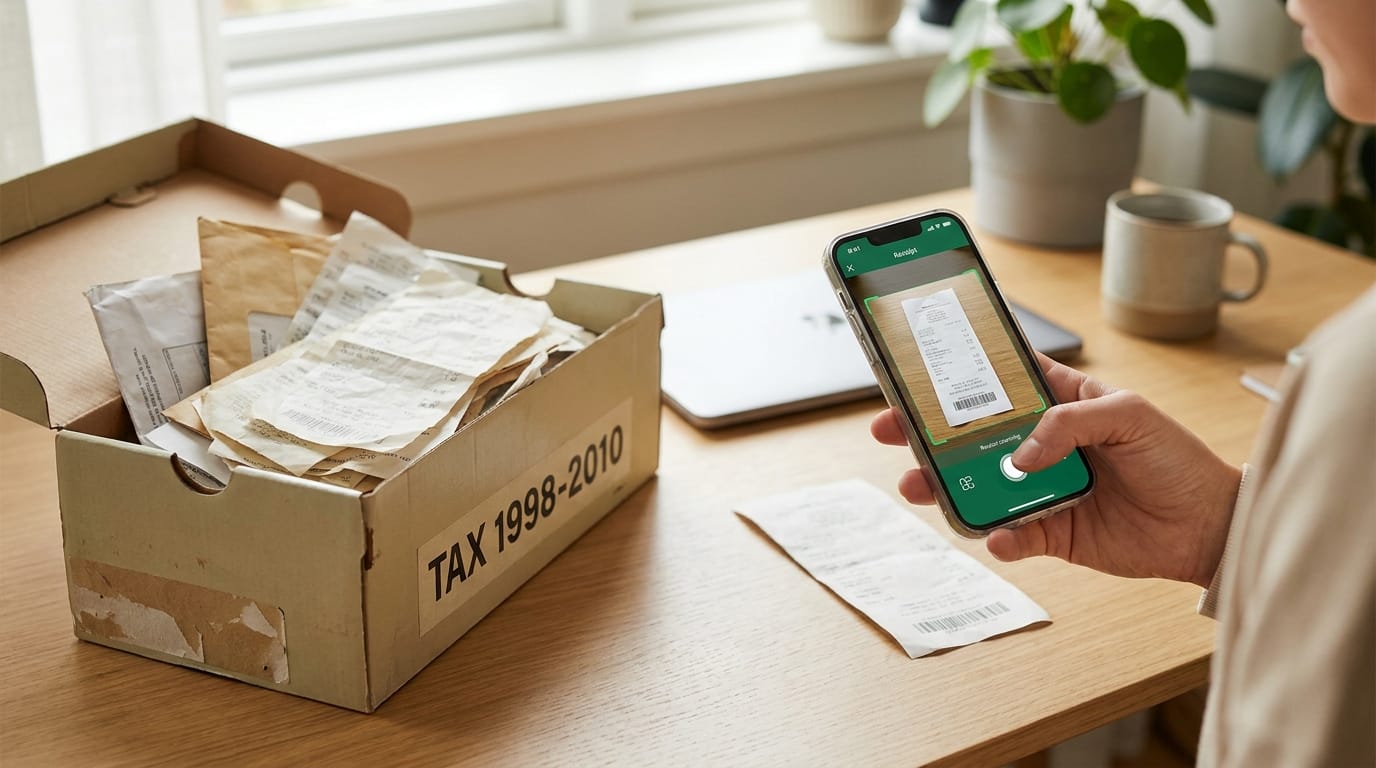
Omitted income is the second 2026 priority. The ATO is matching data on side hustles, cash jobs, bank interest, dividends, rental income and content or gig platform earnings. Small amounts are not invisible; a $90 interest figure from a forgotten savings account creates the same mismatch as a large one.
Taxpayers with several income streams, especially small business owners, are squarely in view this year. If money came in, the safe assumption is that the ATO already has data on it. Lodging after pre-fill data is loaded (typically late July) reduces innocent misses.
Red flag 3: Rental property claims
Rental deductions remain a perennial ATO target, and the same errors recur. Repairs claimed immediately when they’re really capital improvements that must be claimed over time or through the property’s cost base. Interest claimed on the whole loan when part of it funded private spending. Claims for periods the property wasn’t genuinely available for rent. Holiday homes and short-term rentals, including holiday units on the Gold Coast, could attract particular attention on that last point.
If you own a rental, the loan statements, agent summaries and invoices need to reconcile to the return line by line. Where they do, a review usually ends quickly.
Red flag 4: Copy-paste working from home claims
The ATO has specifically warned against rolling last year’s working from home claim into this year’s return. The fixed rate method (70 cents per hour in 2025-26) requires a record of actual hours worked from home across the year, not an estimate made in July. The actual cost method needs receipts and a reasonable apportionment between work and private use. Claiming under one method while keeping records for the other, or double-dipping by claiming internet separately on top of the fixed rate, are both common ways people see their ATO deductions rejected.
Red flag 5: Business numbers that don’t reconcile
For small business owners, two patterns stand out: income or GST on activity statements that doesn’t match the annual return, and performance sitting far outside the ATO’s small business benchmarks for the industry. Neither proves anything is wrong. Both are exactly the kind of discrepancy automated systems escalate, so reconcile BAS to the return before lodging, not after a letter arrives.
New for 2026: AI tax advice and finfluencers
This year the ATO added an unusual warning to its focus list: tax advice generated by AI tools and tips from social media finfluencers. Its concern is that generic answers pulled from inconsistent sources lead people to claim deductions that don’t apply to them, and the taxpayer, not the chatbot, is accountable for what’s lodged. As the ATO put it, your tax return isn’t the place for guesswork.
One more date worth knowing: the $1,000 instant work-related deduction applies from 1 July 2026, which means it first appears in 2026-27 returns lodged from mid-2027. It does not apply to the return you lodge this July, and claiming as though it does is itself a red flag.
What to do if you’re flagged, and how to avoid it
Most ATO contact is a review or a request to substantiate specific items, not a full audit. Respond by the deadline, provide the records asked for, and if a claim genuinely was wrong, an early voluntary amendment typically reduces penalties compared with waiting to be proven wrong.
Avoiding the letter in the first place comes down to unglamorous habits: keep receipts and logbooks through the year (records generally must be kept for five years), declare every income source, and check claims against the ATO’s occupation guides, which often reveal legitimate deductions people miss as well as the ones they shouldn’t make. If your affairs include rentals, a side business or crypto, a registered tax agent who sees ATO review activity weekly is cheap insurance.
| General advice disclaimer |
| This article contains general information only and does not take into account your personal objectives, financial situation or needs. It is not tax, legal or financial advice. Before taking action, consider obtaining advice from a registered tax agent, accountant or suitably qualified adviser. |
Frequently Asked Questions
What are the chances my 2026 return gets audited?
Full audits are uncommon, but automated reviews are not, and every return is run through data matching. Your practical risk depends on mismatches: deductions above your occupation’s benchmark, income missing against third-party data, or rental claims that don’t reconcile. A return whose income matches the ATO’s data feeds removes the most common trigger, though deductions, rental claims and other items can still be reviewed.
Will using a tax agent stop me being audited?
No, and you remain responsible for the information in your return either way. What an agent changes is the quality of what’s lodged: claims checked against current ATO positions, records reviewed before lodgement, and someone to handle the ATO directly if questions come. Eligible taxpayers on a registered tax agent’s lodgement program may also receive extended lodgement deadlines.
I’ve realised a past return has a mistake. Should I wait or fix it?
Fix it. You can amend returns within the amendment period (generally two years for most individuals), and voluntary disclosures made before the ATO contacts you typically attract significantly reduced penalties. Waiting converts an easy correction into a credibility problem, because the data mismatch doesn’t expire.
Does paying cash or being paid cash hide income from the ATO?
Cash jobs are a named 2026 focus area precisely because they’re not as invisible as people assume. The ATO cross-references lifestyle indicators, bank deposits, industry benchmarks and tip-offs. Undeclared cash income found in a review attracts penalties and interest on top of the tax, so the maths rarely favours the gamble.
If anything in your 2026 return needs a second set of eyes before you lodge, book a free consultation with Crest Accountants on 07 5538 0999 or through our enquiry form.